Wireless vs. Wired Nurse Call Systems: A European Facility Manager's Comprehensive Comparison Guide
One of the most critical decisions facing European healthcare facility managers when selecting or upgrading nurse call systems is choosing between wireless and wired technologies. This decision impacts installation costs, ongoing maintenance, system reliability, flexibility for future changes, and long-term operational expenses. Both approaches have distinct advantages and limitations, and the "right" choice depends on your specific facility characteristics, budget constraints, operational requirements, and long-term strategic plans. This comprehensive comparison examines every aspect of this decision to help you make an informed choice. When evaluating options, consider nurse call system solutions that offer both wireless and wired technologies, allowing you to deploy the optimal approach for each area of your facility.
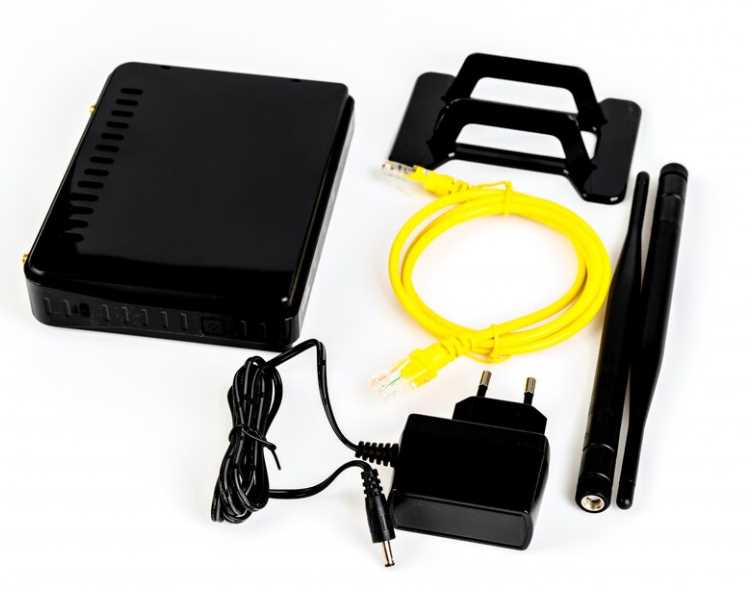
The debate between wireless and wired nurse call systems isn't new, but it has become more nuanced as wireless technology has matured. Early wireless systems faced reliability and interference challenges that made them unsuitable for critical healthcare applications. However, modern wireless nurse call systems have addressed many of these concerns through improved protocols, better signal management, and enhanced redundancy. Meanwhile, wired systems continue to offer unmatched reliability and have evolved to support modern features like network connectivity and advanced integration capabilities.
Understanding the Fundamental Differences
Before diving into detailed comparisons, it's essential to understand what distinguishes these two approaches. Wired nurse call systems use physical cables—typically low-voltage wiring—to connect patient call buttons, corridor displays, and nursing stations. Every device has a direct physical connection to the central control unit. Wireless systems, in contrast, use radio frequency (RF) communication to transmit signals between devices and base stations, eliminating the need for physical wiring to individual devices.
This fundamental difference creates cascading implications for installation, maintenance, reliability, cost, and flexibility. However, it's worth noting that many modern installations use hybrid approaches, combining wired infrastructure for critical areas with wireless extensions for flexibility in standard care areas.
Quick Comparison: Wireless vs. Wired Systems
| Feature | Wired Systems | Wireless Systems |
|---|---|---|
| Installation Cost | Higher (especially in existing buildings) | Lower (30-50% savings in retrofits) |
| Installation Time | Weeks (extensive cabling required) | Days (minimal infrastructure) |
| Reliability | Excellent (dedicated physical connection) | Very Good (modern systems with redundancy) |
| Signal Interference | None (not affected by RF interference) | Possible (requires proper network design) |
| Maintenance | Minimal (long-lasting infrastructure) | Moderate (battery replacement, signal monitoring) |
| Flexibility | Limited (fixed locations, difficult to modify) | High (easy relocation and expansion) |
| Scalability | Requires new cable runs for expansion | Easy (add base stations and devices) |
| Best For | Critical care areas, new construction, maximum reliability needs | Standard care areas, retrofits, flexible layouts |
| Long-term Cost | Lower ongoing costs, higher modification costs | Higher ongoing costs (batteries), lower modification costs |
| Integration Capabilities | Excellent (network-based modern systems) | Excellent (modern wireless protocols) |
Installation Complexity and Initial Costs
Installation considerations often drive initial decision-making, particularly for existing facilities considering system upgrades or retrofits.
Wired System Installation Requirements
Wired installations require extensive physical infrastructure work:
- Cable Routing: Cables must be run from each device location to central control points, often requiring wall chases, ceiling runs, or conduit installation
- Building Modifications: Existing walls, ceilings, and floors may need to be opened and repaired
- Electrical Work: Proper low-voltage wiring installation following building codes and regulations
- Time Investment: Installation typically takes longer, especially in existing buildings where access is limited
- Disruption: More significant disruption to ongoing operations during installation
For new construction, wired installation is often more straightforward since cables can be installed during building construction before walls are closed. However, in existing facilities, the installation complexity and cost increase substantially. European facilities, many of which are in historic buildings with thick walls and limited access, face particular challenges with wired installations.
Wireless System Installation Advantages
Wireless systems offer significant installation advantages:
- Minimal Infrastructure: Only base stations and repeaters need fixed installation; patient devices are simply mounted
- Reduced Disruption: Installation can often proceed without major building modifications
- Faster Deployment: Systems can typically be installed and operational in days rather than weeks
- Lower Labor Costs: Less specialized electrical work required
- Retrofit Friendly: Particularly advantageous when upgrading existing facilities
However, wireless systems aren't completely installation-free. Base stations must be strategically placed for optimal coverage, and signal strength surveys are essential to identify dead zones or interference issues. Some facilities may require additional repeaters or access points to ensure complete coverage, adding to installation complexity and cost.
Cost Insight: For new construction, the cost difference between wired and wireless may be minimal since wiring can be installed during construction. However, for retrofits in existing buildings, wireless systems typically offer 30-50% lower installation costs due to reduced labor and material requirements.
Reliability and Performance: Which System Is More Dependable?
Reliability is paramount in healthcare applications. A nurse call system that fails when needed can have serious consequences for patient safety. This is where the comparison becomes most critical.
Wired System Reliability Advantages
Wired systems have a long track record of reliability:
- Dedicated Infrastructure: Physical cables provide dedicated communication paths not subject to interference
- Predictable Performance: Once installed correctly, wired systems offer consistent, predictable operation
- No Signal Interference: Not affected by other wireless devices, building materials, or environmental factors
- Proven Track Record: Decades of successful deployment in critical care environments
- No Battery Dependencies: Wired devices typically draw power from the system, eliminating battery failure concerns
For critical care areas like intensive care units, operating rooms, and emergency departments, many European facilities prefer wired systems because of this reliability advantage. The physical connection provides assurance that signals will be transmitted regardless of environmental conditions.
Wireless System Reliability Considerations
Modern wireless systems have significantly improved, but they still face unique challenges:
- Signal Interference: Can be affected by other wireless devices, Wi-Fi networks, medical equipment, or building materials
- Coverage Gaps: Dead zones or weak signal areas can develop, especially in buildings with thick walls or metal structures
- Battery Management: Wireless devices require battery power, creating maintenance requirements and potential failure points
- Environmental Factors: Signal propagation can be affected by building layout changes, new equipment, or structural modifications
- Protocol Reliability: Depends on robust communication protocols and error correction mechanisms
However, modern wireless systems address these concerns through:
- Advanced frequency-hopping and spread-spectrum technologies that reduce interference
- Redundant base stations and mesh networking for coverage assurance
- Long-life batteries with low-battery alerts
- Comprehensive signal strength monitoring and alerting
- Robust error detection and retry mechanisms
Many European facilities have successfully deployed wireless systems in standard care areas while maintaining wired systems for critical zones, achieving a balance between reliability and flexibility. This hybrid approach is supported by flexible nurse call system platforms that can accommodate both technologies within a unified management framework.
Maintenance and Operational Considerations
Long-term operational costs and maintenance requirements differ significantly between the two approaches.
Wired System Maintenance
Wired systems typically require minimal ongoing maintenance once properly installed:
- Infrastructure Durability: Cables and connections, when properly installed, can last decades
- Predictable Maintenance: Maintenance needs are generally limited to device replacement and occasional connection issues
- No Battery Management: Eliminates battery replacement schedules and associated costs
- Stable Performance: Performance doesn't degrade over time unless physical damage occurs
However, when problems do occur with wired systems, troubleshooting can be more complex. Identifying a fault in a specific cable run or connection point may require specialized testing equipment and expertise.
Wireless System Maintenance
Wireless systems introduce different maintenance considerations:
- Battery Replacement: Regular battery replacement schedules for wireless devices (typically every 2-5 years depending on usage)
- Signal Monitoring: Ongoing monitoring of signal strength and coverage to identify issues
- Interference Management: May need to address new sources of interference as facility technology evolves
- Base Station Maintenance: Base stations and repeaters require periodic checks and updates
- Device Management: Wireless devices may need firmware updates or configuration adjustments
The maintenance burden for wireless systems is generally higher, but modern systems include remote monitoring capabilities that can alert staff to issues before they become critical. Automated battery monitoring and low-battery alerts help manage battery replacement proactively.
Flexibility and Scalability: Adapting to Changing Needs
Healthcare facilities evolve over time. Patient room layouts change, new units are added, and operational requirements shift. How easily can each system type adapt?
Wired System Flexibility Limitations
Wired systems are less flexible when changes are needed:
- Room Reconfiguration: Moving or adding devices requires new cable runs
- Expansion Challenges: Adding new areas may require significant infrastructure work
- Fixed Locations: Device locations are largely fixed once cables are installed
- Renovation Complexity: Building renovations may require system modifications
However, modern wired systems often use network-based architectures that provide more flexibility than traditional point-to-point wiring, allowing for easier expansion and reconfiguration within existing infrastructure.
Wireless System Flexibility Advantages
Wireless systems excel in flexibility:
- Easy Relocation: Devices can be moved or added with minimal effort
- Rapid Expansion: New areas can be added by installing base stations and devices
- Layout Adaptability: Systems adapt easily to room reconfigurations
- Temporary Installations: Can support temporary care areas or mobile units
This flexibility is particularly valuable in facilities that undergo frequent renovations, expansion projects, or operational changes. European facilities in historic buildings, where structural modifications are restricted, often find wireless systems more adaptable.
Cost Analysis: Total Cost of Ownership Comparison
Initial purchase price tells only part of the story. Total cost of ownership (TCO) over the system's lifetime provides a more accurate comparison.
Wired System Cost Profile
- Higher Initial Installation: More expensive upfront, especially in existing buildings
- Lower Ongoing Costs: Minimal maintenance and no battery replacement
- Long Lifespan: Infrastructure can last 20+ years with proper maintenance
- Modification Costs: Expensive when changes are needed
Wireless System Cost Profile
- Lower Initial Installation: Particularly for retrofits
- Higher Ongoing Costs: Battery replacement, signal monitoring, and device management
- Shorter Device Lifespan: Wireless devices may need replacement more frequently
- Lower Modification Costs: Changes and expansions are less expensive
Over a 10-15 year period, total costs often converge, with the choice depending on how frequently modifications are anticipated. Facilities planning significant expansion or frequent reconfiguration may find wireless more cost-effective long-term, while stable facilities may prefer wired systems' lower ongoing costs.
Regulatory Compliance and Standards
Both wired and wireless systems must meet European regulatory requirements, but compliance considerations differ:
- Wired Systems: Must comply with electrical installation standards (like DIN VDE 0834 in Germany) and building codes
- Wireless Systems: Must meet radio frequency regulations, electromagnetic compatibility requirements, and medical device standards
- Both: Must ensure patient safety, data protection (GDPR), and reliability standards
European facilities should verify that chosen systems have appropriate certifications (CE marking, medical device approvals) regardless of technology type.
Making the Decision: Key Factors to Consider
No single factor should drive your decision. Consider your specific situation:
- Facility Type: Critical care areas may favor wired; standard care areas may benefit from wireless flexibility
- Building Characteristics: Historic buildings, thick walls, or metal structures may favor wired; modern construction may support either
- Budget Constraints: Initial budget limitations may favor wireless; long-term cost optimization may favor wired
- Future Plans: Planned expansion or frequent changes favor wireless; stable operations may favor wired
- Maintenance Capabilities: Facilities with limited IT/technical staff may prefer wired's lower maintenance
- Integration Requirements: Both can integrate with modern IT systems, but verify specific capabilities
The Hybrid Approach: Best of Both Worlds
Many European facilities are discovering that a hybrid approach offers optimal results. Wired systems in critical care areas, emergency departments, and high-acuity zones provide maximum reliability where it matters most. Wireless systems in standard patient rooms, common areas, and flexible care spaces provide cost-effective installation and operational flexibility.
Modern nurse call systems increasingly support hybrid architectures, allowing facilities to deploy the right technology for each area while maintaining unified management and reporting. This approach recognizes that different areas have different reliability requirements and that a one-size-fits-all solution may not be optimal.
Need help choosing the right nurse call system for your European facility?
Explore FORBIX Wired and Wireless Solutions →Decision Support: This comparison provides general guidance, but every facility has unique characteristics. Consult with qualified system integrators and conduct site-specific assessments before making final decisions. Consider pilot installations in representative areas to evaluate real-world performance before full deployment.